I too think you will not have troubles reaching 30-35mph with 5s1p. My heavy (10s1p A123) 9lbs buggy needed a little more then 400 Watt on asphault to maintain 42mph. My latest speed test in another buggy with 8s1p A123 revealed 320 Watt for 33mph (with offroad tires).
This buggy (not mine) runs 6s1p A123+MGM 12018+Lehner 1930/12
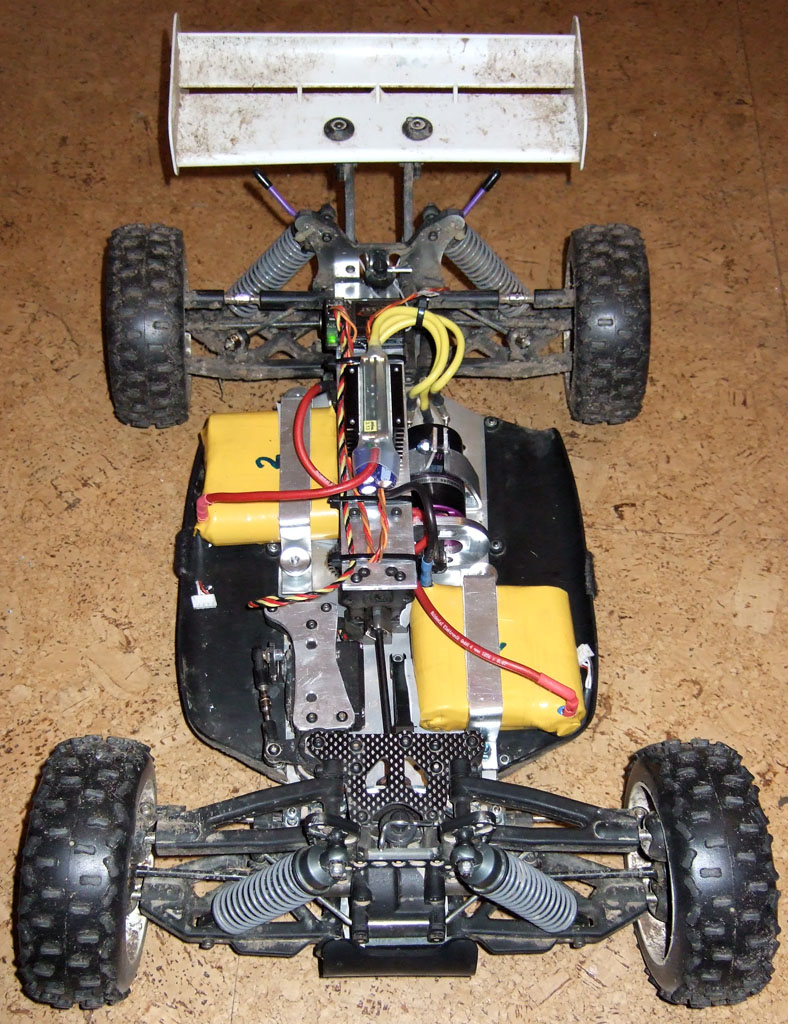
It only needed around 330 Watt to maintain 38mph.
Eagletree graph from one of its run
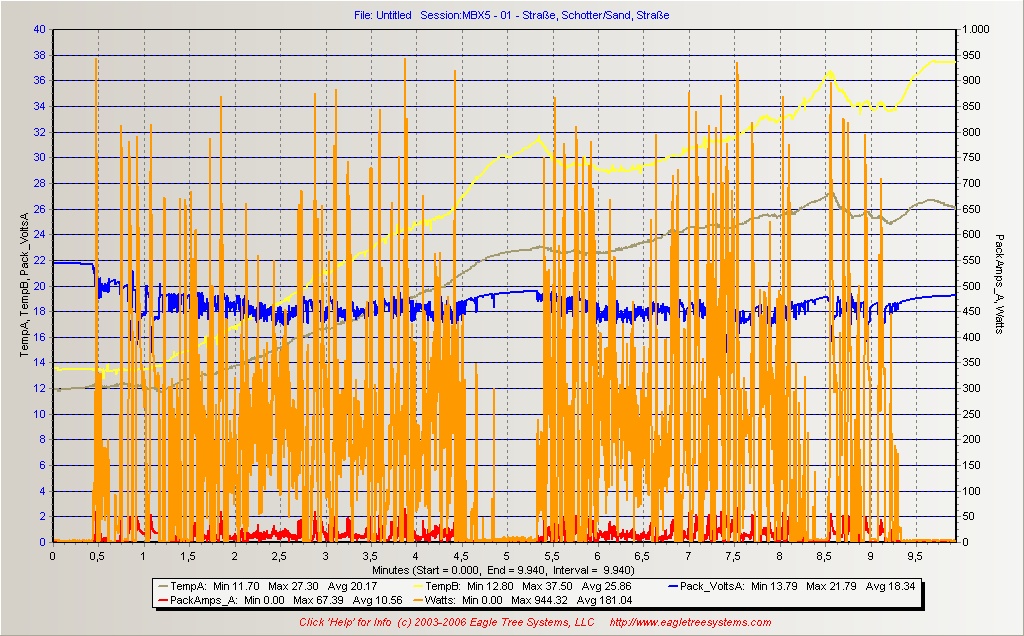
Watt, Amp and RPM distribution of this run (sorry only in german)

Summary:
. A light weight buggy may only need around 300 Watt to maintain 30-35mph (hard packed type of surface). 300 Watt equals to 20,6A@14,5V (2.9V per cell with 5s A123). Running constant full speed would give you a runtime of around 6 minutes with 2200mAh.
. One A123 cell can deliver between 200-250Watt (short bursts: 100A@2-2,5V depending on cell temperature and length of the burst). 5 cells may give you 1000-1250 Watt peak. Higher Watt capability translates to faster acceleration (limited by grip conditions). But your top speed is not limited by your cells wattage. I recorded a max peak of 1800 Watt in my buggy which was geared for 42mph (with 10s1p A123). Buggys hardly do need more then 1000-1200 Watt especially if you drive on a loose surface. My first Brushless buggy was limited to 700 Watt (small ESC). More then enough power to loose grip on asphault when accelerating and have fun with.
. High Amp peaks (70-100A - where voltage drops badly in a 1p config) only occur for a very short time (only 1/10th of a second) and represent a very small percentage when looking at an amp draw distribution over a whole run. I would expect your Amp draw to stay beetween 0-40A for 80-90% of your runtime.
I hope this gives you more confidence in trying a 5s1p A123 setup in a buggy. If you keep it light, don't expect high performance and long runtime it should work.